
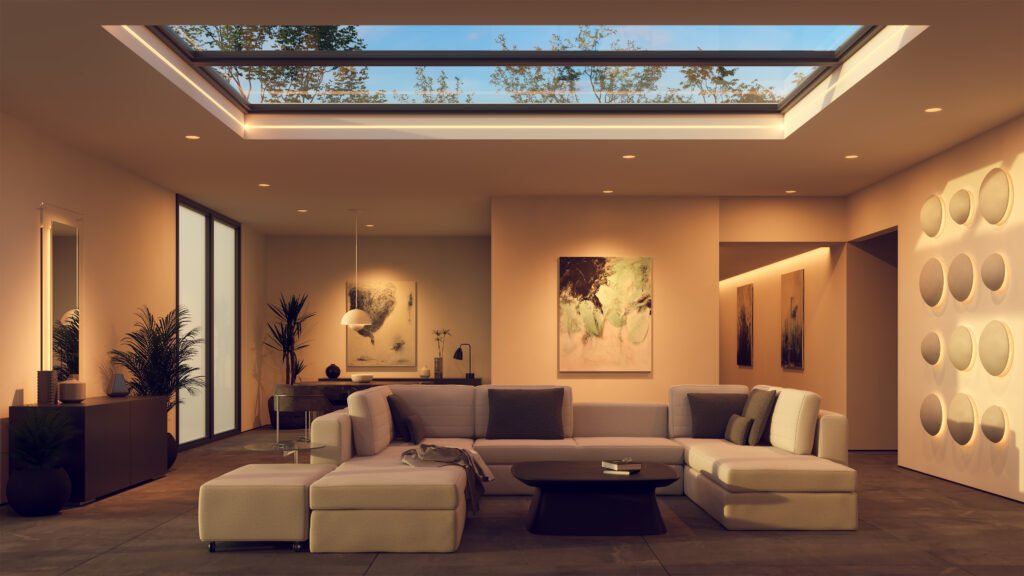
Lighting is a powerful element that can transform the mood and aesthetics of any room. Proper lighting not only enhances the beauty of your home, but also impacts your mental state and productivity. If you want to bring a fresh and refreshing atmosphere to every room in your home, follow these lighting design tips. In this blog, we’ll show you how to design the perfect lighting for your home, which will not only enhance its beauty but also improve your living experience.
1. Make the most of natural light
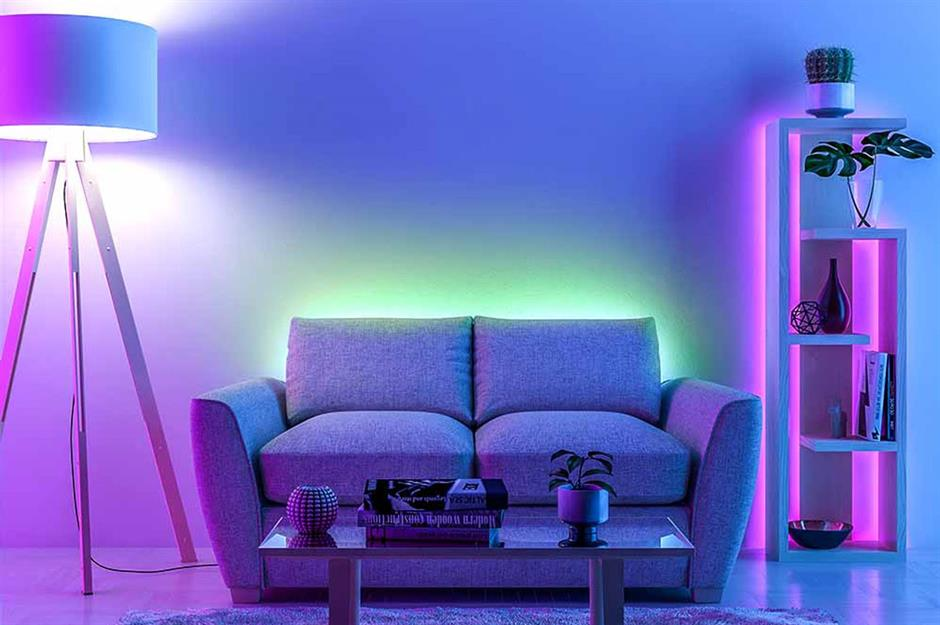
Prioritize natural light, especially during the day. When designing your lighting, ensure that the room receives as much natural light as possible. Large windows and light-colored walls are good options for this. When sunlight enters a room, it not only creates a light and refreshing atmosphere, but also reduces your energy consumption.
Tip: If you lack natural light, use light-colored curtains or light-colored walls to allow for proper light diffusion.
2. Understand the types of lighting and use them correctly
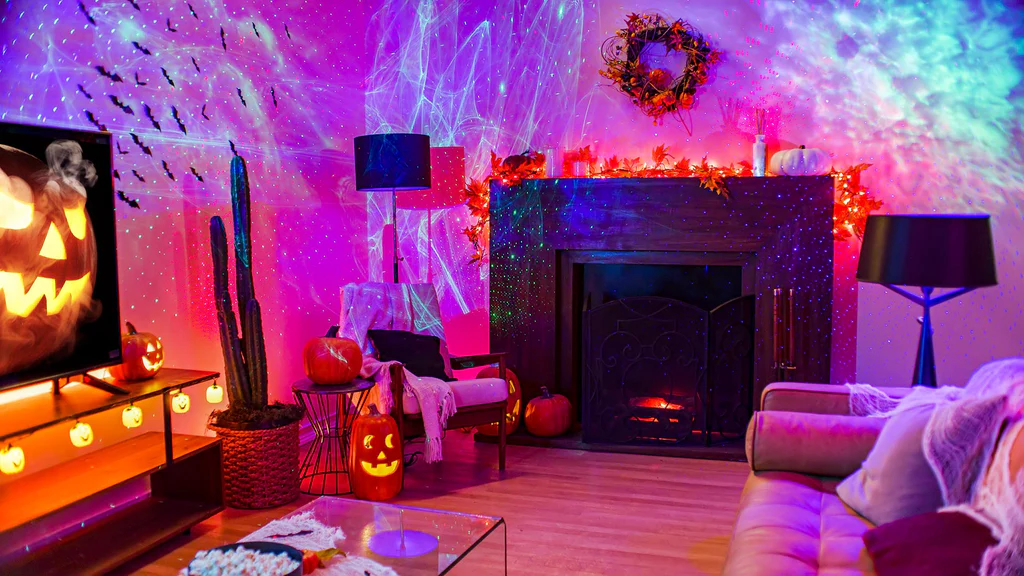
There are three main types of lighting: ambient lighting , accent lighting , and task lighting . Using them correctly can completely transform your home’s lighting design.
- Ambient lighting: This is basic lighting that evenly illuminates a room. It usually comes in the form of ceiling bulbs, fans, or sidelights.
- Accent lighting: Its primary purpose is to focus attention on a particular decorative item or wall. For example, if you have a painting or a beautiful shelf in your room, accent lighting can make it even more attractive.
- Task lighting: Such as table lights for reading or counter lights for working in the kitchen. This lighting is for a specific task, and it’s crucial to place it correctly.
3. Use smart lighting
Today’s smart home systems also include smart lighting control. You can control your lights from your phone, change colors, and even set timers. Furthermore, smart lights can also help reduce your electricity bill.
Tip: If you want to make your home smarter, consider using smart bulbs and sensors. This will make your home lighting even more convenient and customizable.
4. Design lighting based on the room’s characteristics
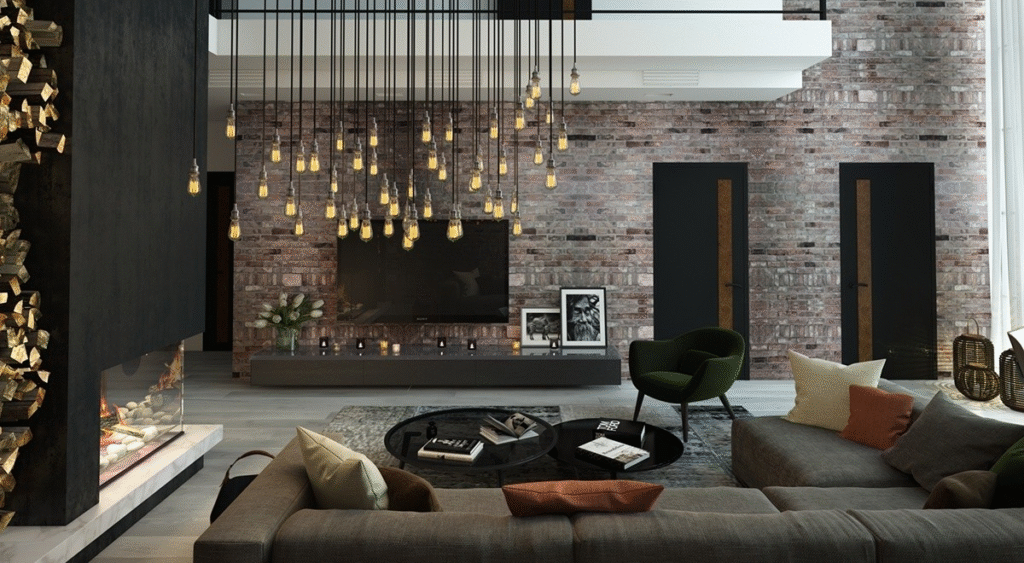
Lighting needs vary from room to room. For example, living rooms typically require brighter lighting because they are where people sit and interact. Meanwhile, bedrooms require comfortable, soft lighting for a comfortable night’s sleep.
- Living room: Use multiple lighting sources in this room, such as fluorescent lights, standing lamps, and accent lights. The goal here is to create a light atmosphere in the room.
- Bedroom: Use mostly warm, soft lighting in the bedroom. You can use dimmable lights, which allow you to adjust the brightness to your liking.
5. Choose the right colors in lighting
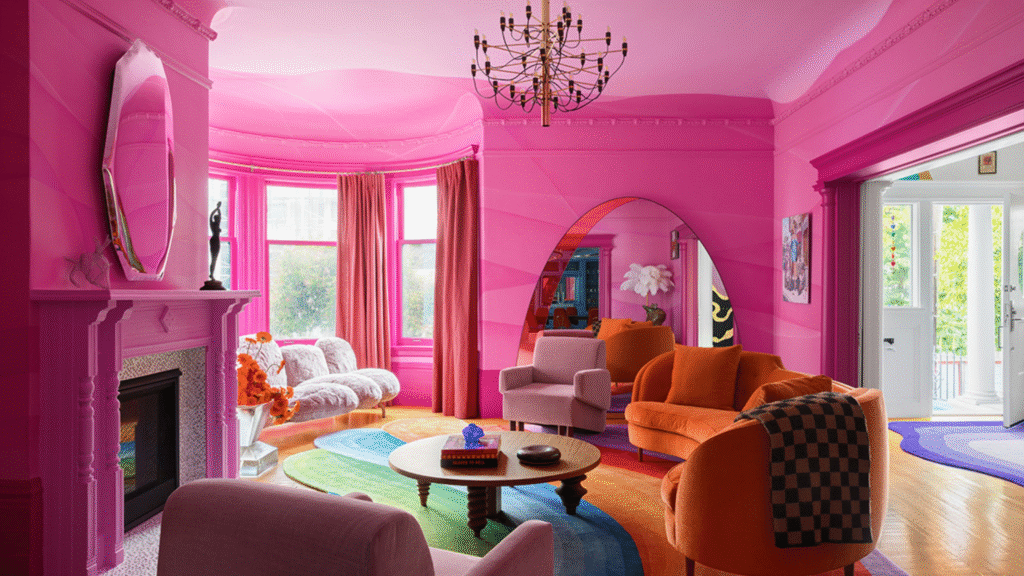
The color of your lighting can impact your room’s overall interior decor. Using different colors of lights can enhance a room’s beauty.
- Warm colors (Yellow/Amber): These colors can transform your room into a cozy and relaxing environment. These colors are great for bedrooms, living rooms, or dining areas.
- Cool colors (White/Blue): These colors create a more active and brighter atmosphere. Lights in these colors work best in an office or kitchen.
Tip: Don’t mix colors in the same room. Use the same color throughout the room to maintain a balanced atmosphere.
6. Create a focal point
Every room should have a focal point that can be highlighted with lighting. This could be an art piece, a bookshelf, or your living room sofa. If you have a beautiful painting, you can shine a spotlight on it to draw attention.
7. Choose eco-friendly lighting

Nowadays, choosing eco-friendly lighting has become a smart choice, keeping the environment in mind. LED bulbs, CFL bulbs, and solar-powered lights are all options that save energy and have a minimal impact on the environment.
Tip: If you’re adding outdoor lighting, consider using solar lights. These not only save energy but also reduce your electricity consumption.
8. Consider the aesthetics of lighting
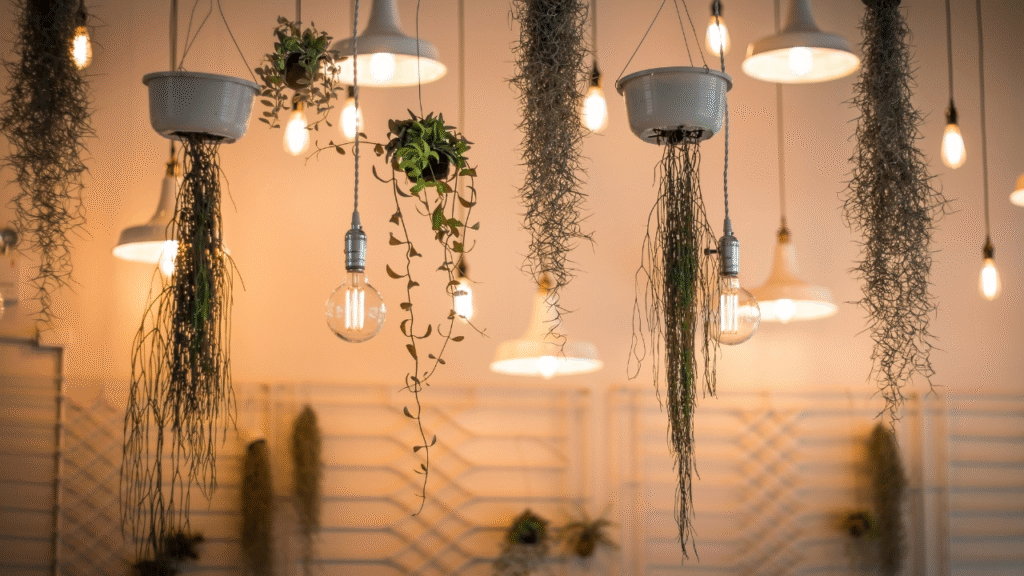
Lighting isn’t just a utility; it also enhances your home’s aesthetics. Beautiful lighting fixtures like chandeliers, chandeliers, and sensory lights can give your room a new identity.
The design of your home’s lighting reflects your personal taste, style, and lifestyle. Therefore, when choosing lighting, ensure that it matches the other decorative elements in your home.
9. Save electricity
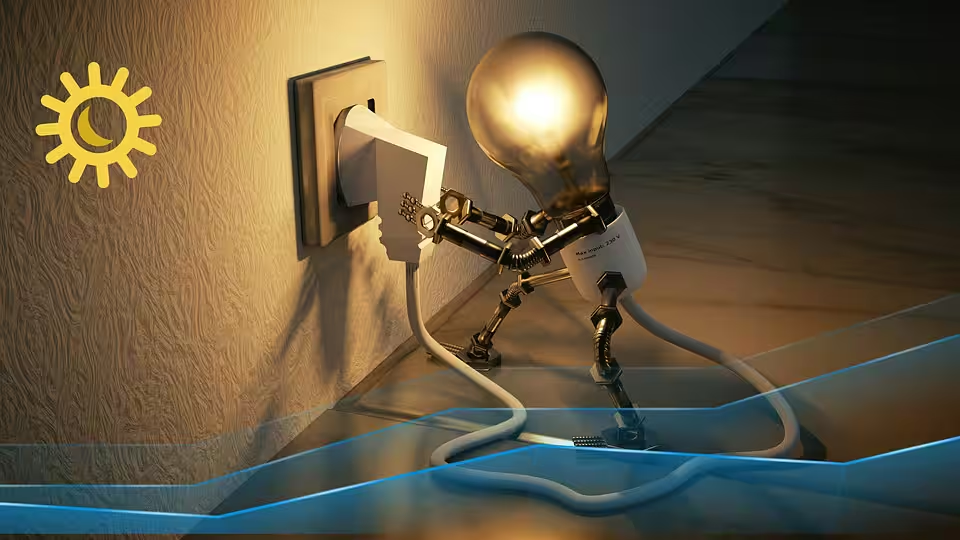
Energy efficiency is also important to consider when designing your lighting. You can choose eco-friendly lights, which not only reduce electricity consumption but also lower your bills. Furthermore, it’s a good habit to turn off lights when you’re not in the room.
Tip: Install automated lights and movement sensors throughout your home. These lights only turn on when someone is present in the room, saving electricity.
Lighting design isn’t just about providing light; it’s also a way to make your home more beautiful and comfortable. The right lighting not only brightens every area of your home but also fills it with energy and comfort. By following these tips, you can create a smart and efficient lighting design that’s not only energy-efficient but also enhances every corner of your home.
The information provided in this blog is based on personal experience and general advice. While we strive to give accurate and helpful insights, please note that individual preferences and needs may vary. Always consider consulting with a professional before making any major changes to your home lighting setup. This blog is not intended as expert advice, and we are not responsible for any decisions or consequences based on the suggestions provided.
#LightingDesign #HomeDecor #InteriorLighting #Carrerbook #Anslation #SmartLighting #HomeImprovement #LightingTips #LEDLighting #LightingTrends #EcoFriendlyLighting #AmbientLighting #TaskLighting #AccentLighting #HomeDesign #DecorInspiration #LightingIdeas #EnergySavingTips