
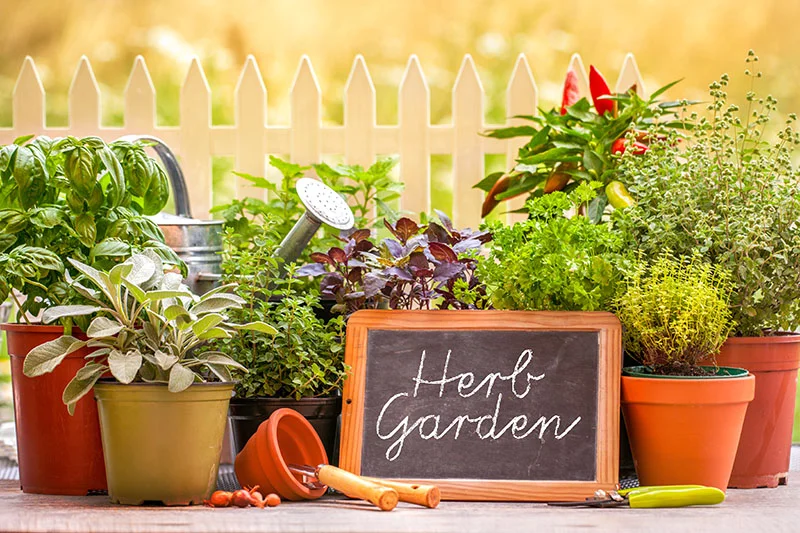
Herbs are more than just a garnish—they’re a way to elevate every meal with fresh, vibrant flavors. Growing your own herb garden not only ensures you have these delicious ingredients always on hand but also adds beauty, aroma, and even mental wellness benefits to your home. Whether you have a backyard, balcony, or just a sunny windowsill, starting a herb garden is easier than you think.
1. Choose the Right Herbs for Your Needs
When selecting herbs, think about what you use most often in your cooking and which herbs suit your growing conditions. Beginner-friendly options include:

- Basil: Sweet and aromatic, perfect for pasta, salads, and pesto. Thrives in warm, sunny spots.
- Mint: Refreshing and cooling, ideal for teas, smoothies, and desserts. Mint grows vigorously, so consider planting it in a separate pot.
- Rosemary: Woody and fragrant, great for roasted meats, potatoes, and bread. Prefers dry soil and lots of sunlight.
- Thyme: Mild, earthy flavor that complements soups, stews, and marinades. Hardy and low-maintenance.
- Parsley: Mild and versatile for garnishing and flavoring dishes. Both curly and flat-leaf varieties grow well indoors.
- Cilantro: Adds fresh, citrusy notes to salads, salsas, and curries. It prefers cooler weather and partial shade.
Pro tip: Start small with 3–5 herbs and gradually expand as you gain confidence.
2. Select the Perfect Spot
Herbs need sunlight and good air circulation. Here’s how to find the best location:

- Sunny Windowsills: South-facing windows provide 6–8 hours of sunlight per day.
- Balconies or Patios: Use pots, vertical planters, or hanging baskets to maximize space.
- Indoor Herb Gardens: LED grow lights can help if natural sunlight is limited.
- Outdoor Beds: Herbs like rosemary and thyme thrive in raised garden beds with well-draining soil.
Tip: Rotate your pots every few days to ensure even growth and prevent leaning toward the light.
3. Choose Containers and Soil Wisely

- Containers: Use pots with drainage holes to prevent waterlogging. Terra cotta or ceramic pots are great for breathability.
- Soil: Opt for a light, well-draining potting mix. Avoid heavy garden soil, which can retain too much water and cause root rot.
- Planter Size: Herbs like basil and parsley need at least 6–8 inches of soil depth, while rosemary prefers deeper pots for root growth.
4. Planting Your Herbs

- Seeds vs. Seedlings: Seeds are economical and fun to grow, but seedlings give faster results.
- Spacing: Follow recommended spacing to avoid overcrowding. Overcrowded plants can lead to poor air circulation and disease.
- Watering: Gently water after planting to settle the soil. Keep the soil consistently moist for seedlings until they establish.
Pro tip: Label your pots to remember which herb is which, especially if you’re growing multiple varieties.
5. Care and Maintenance
Proper care ensures your herbs stay healthy and productive:

- Watering: Water when the top inch of soil feels dry. Avoid overwatering to prevent root rot.
- Pruning: Regular trimming encourages bushy growth and prevents flowering, which can change the flavor of herbs.
- Fertilizing: A light, organic fertilizer every 4–6 weeks promotes strong growth without overpowering the flavor.
- Pest Control: Watch for aphids or whiteflies. Natural remedies like neem oil or insecticidal soap work well.
6. Harvesting Tips
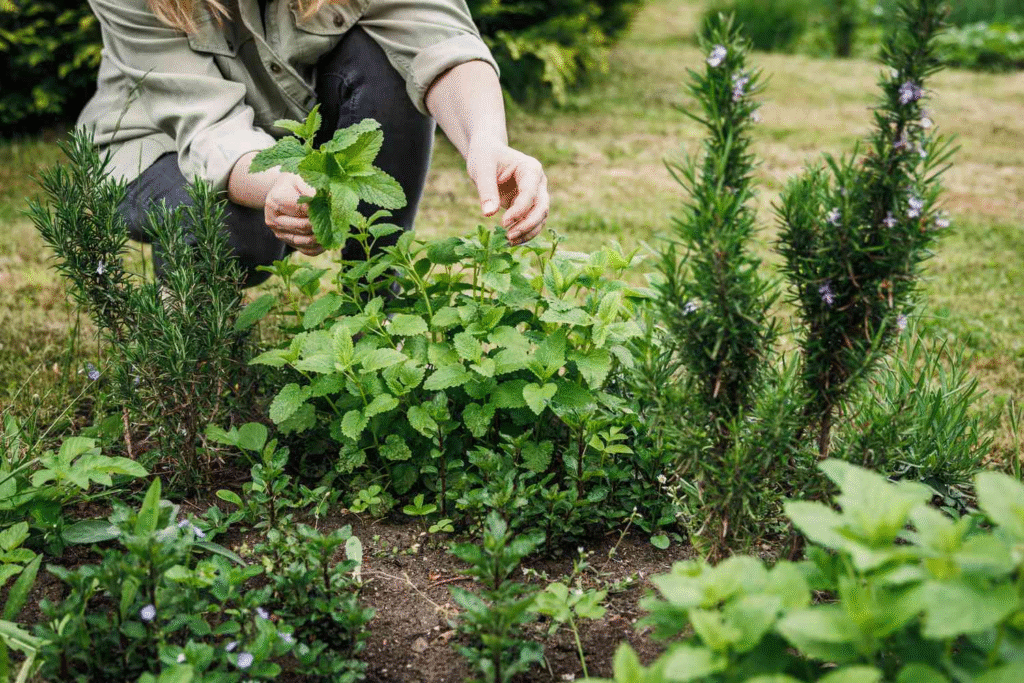
- Best Time: Harvest in the morning when essential oils are strongest for maximum flavor.
- Technique: Use scissors or pruning shears, cutting above a leaf node to encourage regrowth.
- Frequency: Don’t cut more than one-third of the plant at a time to avoid stunting growth.
- Storage: Fresh herbs can be stored in water (like flowers) in the fridge or dried for long-term use.
7. Creative Uses for Fresh Herbs
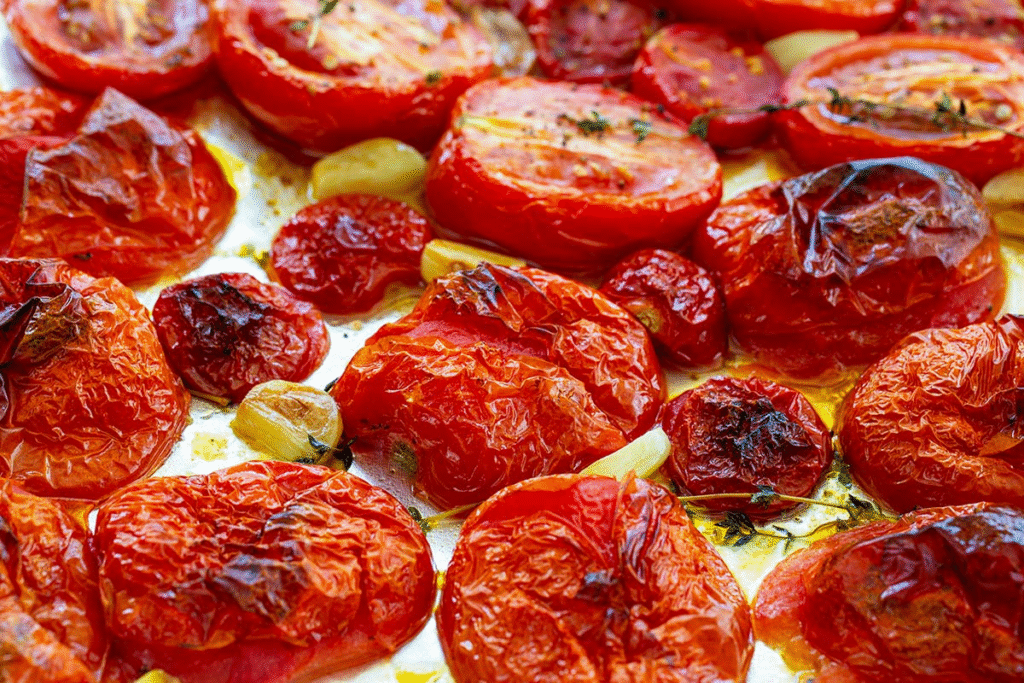
Having a fresh herb garden opens up countless possibilities in the kitchen and beyond:
- Cooking: Add fresh basil to tomato salads, thyme to soups, or rosemary to roasted veggies.
- Beverages: Mix mint in lemonade, iced tea, or cocktails.
- Garnishing: Parsley, cilantro, or chives make dishes look vibrant and appetizing.
- Aromatherapy: Fresh herbs release natural fragrances, adding a calming and uplifting vibe to your home.
8. Bonus Tips for Success
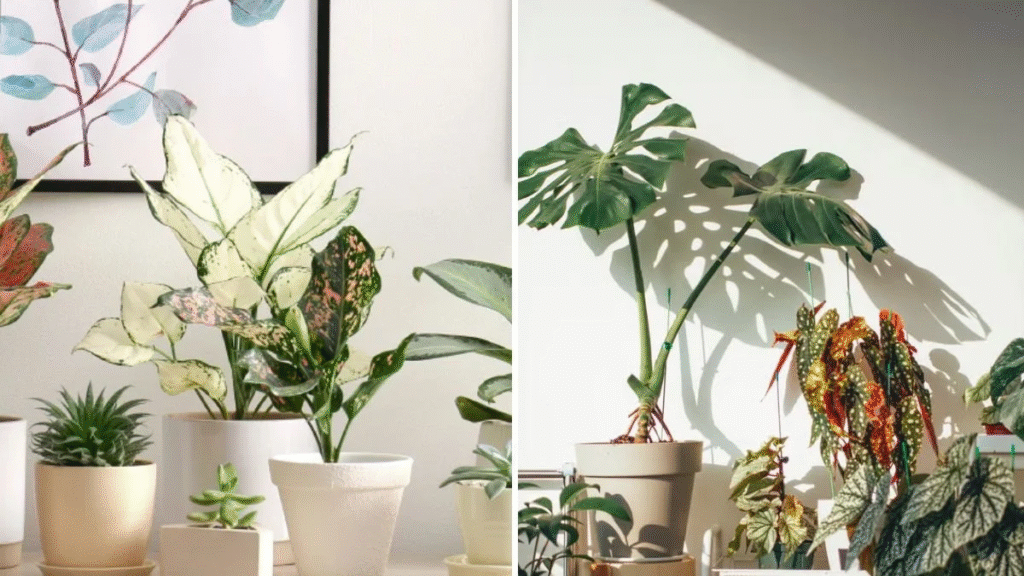
- Rotate plants every few weeks for even sunlight exposure.
- Companion planting can boost growth; for example, basil grows well near tomatoes.
- Consider a small indoor watering system or self-watering pots for convenience.
- Keep a gardening journal to track what works and when to harvest for peak flavor.
Growing your own herb garden is not just about cooking—it’s about creating a personal, sustainable, and rewarding hobby. Fresh herbs at your fingertips mean every meal is more flavorful, and you get the joy of nurturing life right at home.
#HerbGarden #GrowYourOwnHerbs #FreshFlavors #Carrerbook #Anslation #HomeGardening #IndoorHerbs #HealthyLiving #GardeningTips #DIYHerbs #KitchenGarden #OrganicHerbs